Shower service
Tub-to-Shower Conversions
Removing a tub nobody uses and rebuilding the space as a full-size, properly drained shower.
Short answer
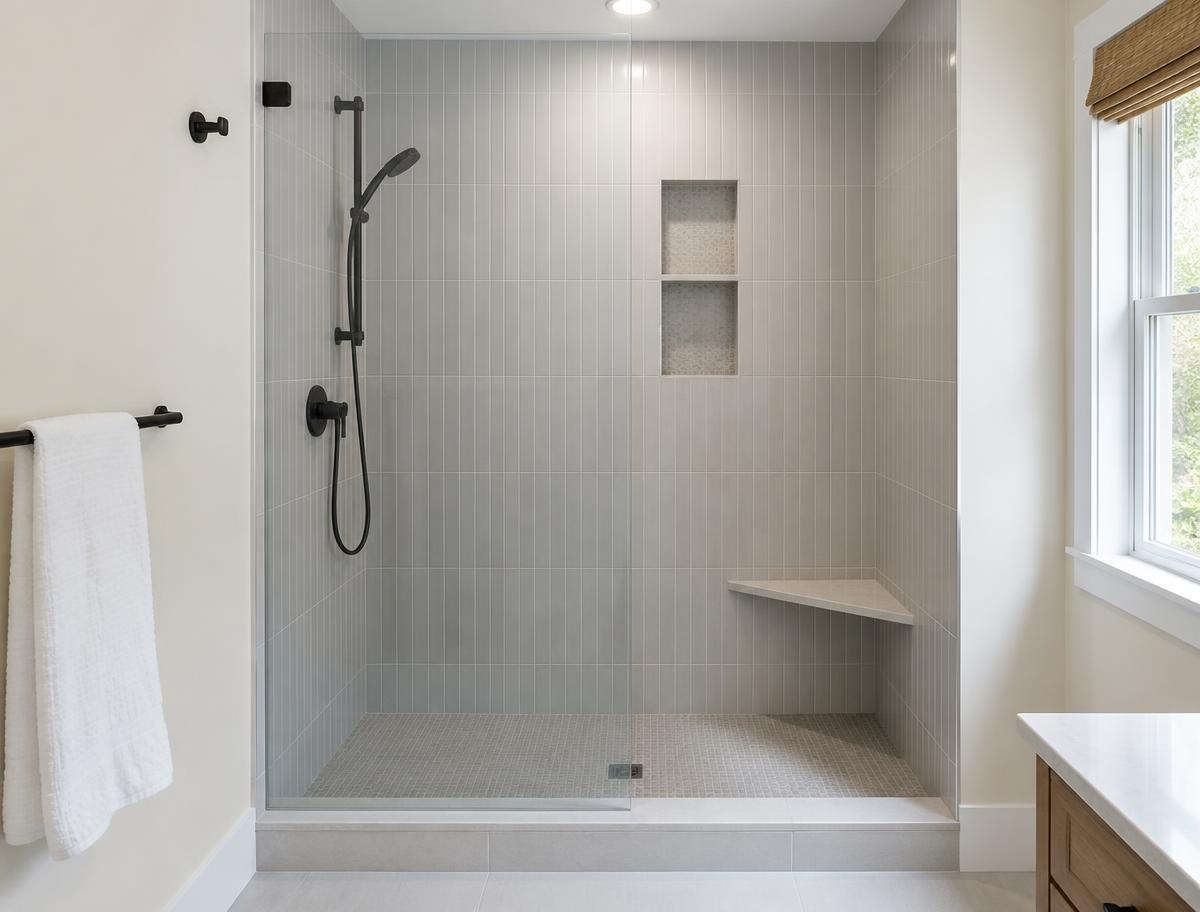
A tub-to-shower conversion removes the bathtub and its surround, reworks the drain and valve for shower use, and rebuilds the alcove as a waterproofed shower. A standard 60-inch alcove tub converts into a generous shower without moving a single wall, which is why it is the most common shower project in Treasure Valley homes.
Why so many Idaho tubs get converted
Two housing patterns drive this project locally. In late-1990s and 2000s subdivisions across Meridian, Nampa and Kuna, primary suites were built around a large corner garden tub plus a cramped shower — the tub is filled once or twice a year while the shower gets used twice a day. In older Boise and Caldwell homes, the only bathroom has a single alcove tub with a shower head over it, and stepping over a tub wall stops being reasonable at some point.
In both cases the conversion is not a downgrade. It converts space you do not use into space you use every morning. The one thing worth checking first is whether the house still has a tub somewhere. Buyers with small children look for at least one, so if this is the only tub in the home, that is a conversation to have before demolition rather than after.
What changes when the tub comes out
- The tub drain sits lower and further out than a shower drain, so drain relocation is normal, not an upsell
- A tub spout diverter valve is replaced with a shower-only valve, and pressure balance requirements apply
- The alcove floor is rebuilt with a sloped pan, because a tub provided the slope before
- Walls that were only splash-zone above a tub now need full-height waterproofing
- Framing is checked and blocking added wherever a grab bar, bench or niche will land
A 60-by-30-inch alcove tub converts into a shower with roughly the same footprint but far more usable standing room, because you gain the volume the tub deck occupied.
Entry, glass and threshold options
| Entry | Works well when | Consider |
|---|---|---|
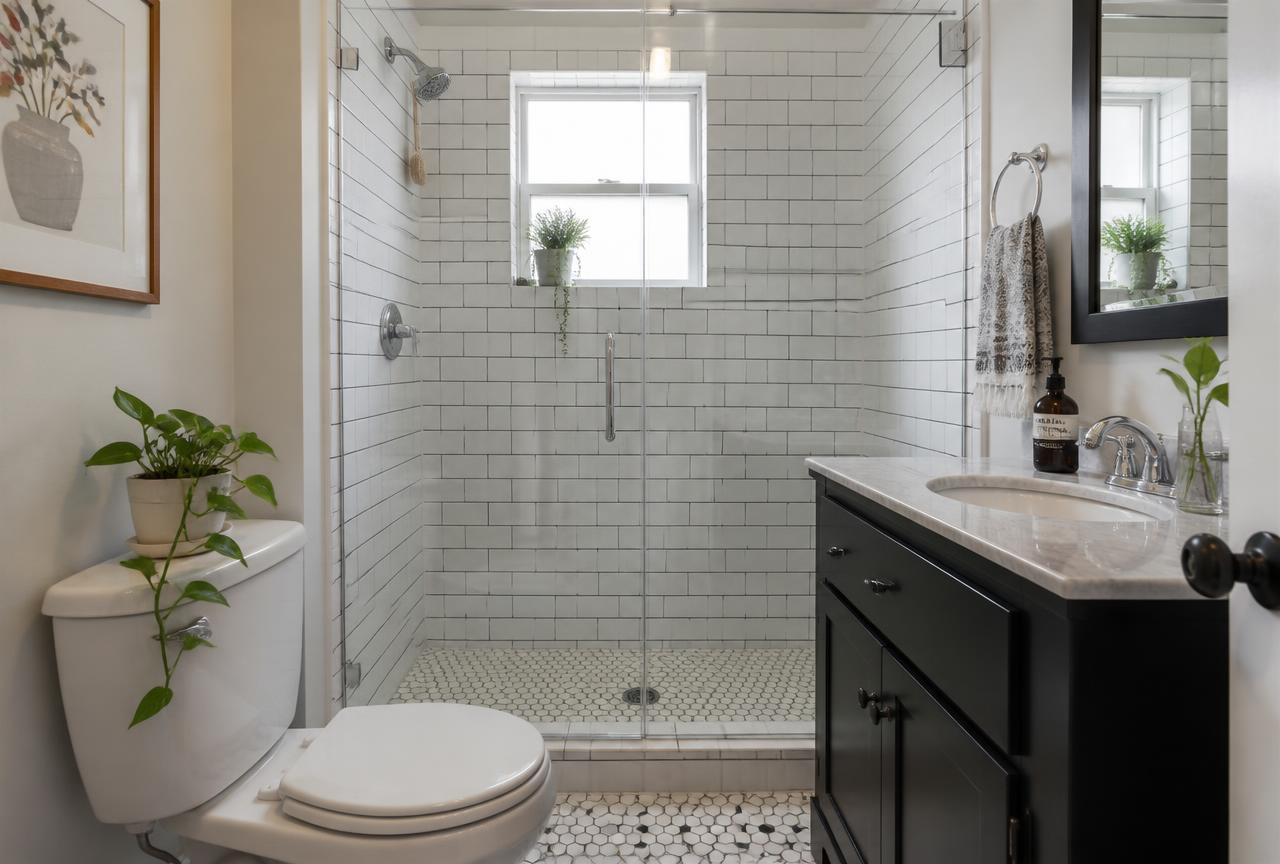
| Low curb with a glass panel | Standard alcove, straightforward budget | Simplest, most predictable version of the project |
| Curbless / zero threshold | Long-term accessibility, wheeled entry | Subfloor must be recessed; slope and drain placement are critical |
| Open walk-in with a fixed screen | Wider alcoves and larger bathrooms | Needs enough length to keep spray off the rest of the room |
Tub-to-shower — questions
- Do you have to move plumbing to convert a tub to a shower?
- The drain almost always moves, because a tub drain sits in a different position and depth than a shower drain. The valve is also replaced. Both are inside the same wet wall, so the work stays contained.
- Will removing our only bathtub hurt resale?
- It can matter to buyers with young children if the house is left with no tub at all. If there is a tub in another bathroom, converting the primary suite tub is generally well received. We will raise it during the walkthrough rather than after demolition.
- How long does a tub-to-shower conversion take?
- Typically one to two weeks on site. Drain relocation, waterproofing cure time and glass lead time are the three things that set the schedule.
Tub-to-shower by city
- Tub-to-Shower Conversions in MeridianIn Meridian, tub-to-shower conversions split into two jobs: removing an oversized corner garden tub in a master bath, and converting a standard 60-inch alcove tub in a hall or kids' bath. They are priced and built very differently, and we scope them separately.
- Tub-to-Shower Conversions in BoiseTub-to-shower conversions are the most common single project we do in Boise, because so much of the housing stock is a 60-inch alcove tub that the household has stopped using. Inside an existing alcove, the drain usually stays put, which makes it the most predictable way into a real shower.
- Tub-to-Shower Conversions in EagleIn Eagle, the tub coming out is usually a large freestanding or deck-mounted soaking tub in a master bath, not a 60-inch alcove. That means the conversion is really a re-layout of the whole wet wall, and it is scoped that way.
- Tub-to-Shower Conversions in StarTub-to-shower conversions in Star are usually in secondary bathrooms — a standard alcove tub that nobody uses in a home where the master already has a shower. The alcove and the drain stay put, which makes it one of the more predictable projects we quote.
- Tub-to-Shower Conversions in NampaConversions are the highest-value project we do in Nampa, because so many homes here have a single small bathroom built around an alcove tub. Trading it for a shower changes how the room works every day, and the drain usually stays where it is.
Tub-to-shower case studies
Related shower services
Walk-In Showers
Low-curb and curbless showers with the slope, drainage and blocking planned for long-term use.
Read about walk-in showersShower Remodeling
Replacing a tired, leaking or dated shower with a new wet area built on a complete waterproofing system.
Read about shower remodelsShower Waterproofing
The membrane, pan and detailing work that decides whether a shower lasts five years or thirty.
Read about waterproofing
Tub-to-shower near you
Talk through your tub-to-shower project
Tell us what the room is doing today and what you want instead. We follow up to arrange a walkthrough and a written estimate.